Big Bang & the Expanding Universe
Explore 15 fascinating articles about big bang & the expanding universe
Uncover the origin story of everything. From the first moments after the Big Bang to the accelerating expansion we observe today.
All Articles (15)
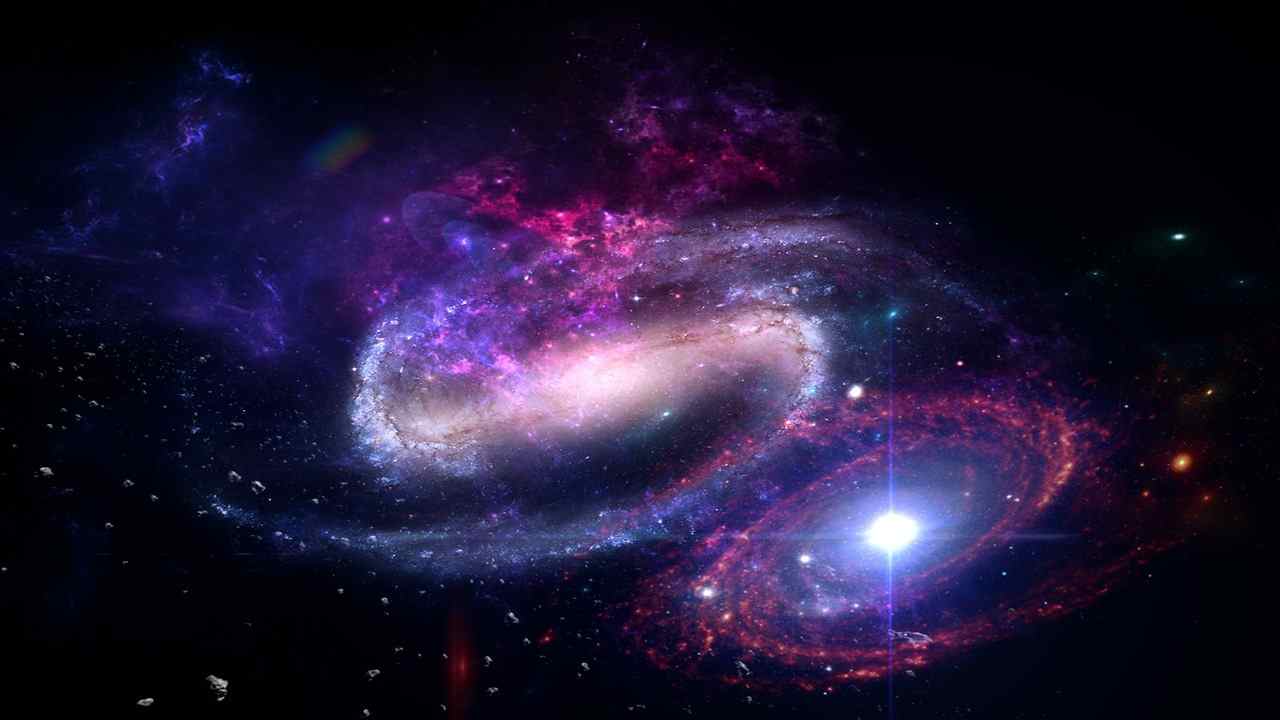
The First Galaxies: How Did They Form After the Big Bang?
Billions of galaxies fill the modern universe, from elegant spirals to giant ellipticals stretching across hundreds of thousands of light‑years. But the very first galaxies were nothing like these enormous systems. They were tiny, turbulent, fast‑changing structures that emerged from a universe still settling after the Big Bang.
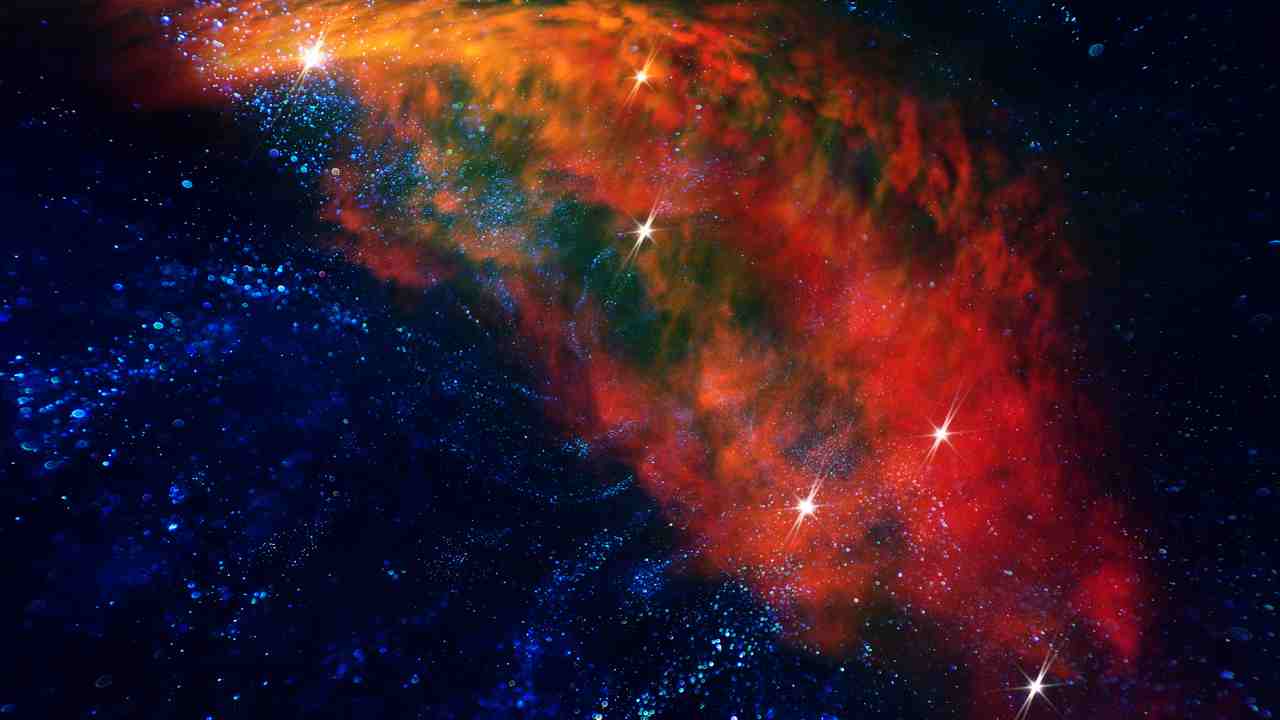
Reionization: How the First Stars Transformed the Universe
Long before galaxies took their modern shapes and long before the Milky Way existed, the universe went through one of its most dramatic transformations. It began in darkness, filled with neutral hydrogen stretching across billions of light‑years. Then the first stars appeared—brilliant, massive, short‑lived giants.
What Triggered the First Stars to Ignite in the Early Universe?
Before the first stars formed, the universe was a dark, silent expanse. There were no galaxies, no planets, and no light—only vast clouds of hydrogen and helium drifting through space. This period, known as the Cosmic Dark Ages, lasted for nearly 100 million years after the Big Bang.
How the Early Universe Transitioned from Plasma to Atoms
In the earliest moments after the Big Bang, the universe was nothing like the space we see today. There were no atoms, no stars, and no galaxies—just an extremely hot, dense soup of particles known as primordial plasma.
Quantum Fluctuations: How Tiny Ripples Shaped the Big Bang
The universe today is filled with galaxies, stars, planets, and massive cosmic structures stretching across billions of light‑years. Yet according to modern cosmology, all of this complexity traces back to something almost unbelievably small: tiny quantum fluctuations that existed in the earliest fractions of a second after the Big Bang.
How the Big Bang Theory Changed Our Understanding of Time and Space
The Big Bang theory revolutionized our understanding of time and space by showing that they are not absolute, independent entities but are linked, dynamic, and born with the universe itself. It replaced the static, eternal universe concept with one where space expands and time flows from a defined beginning.
This transformation underpins all modern cosmology and physics, influencing how we comprehend the cosmos and our place within it. The ongoing study of time and space continues to reveal more about the universe’s origins, structure, and ultimate fate.
The Importance of Hubble’s Discovery for Cosmology
Edwin Hubble’s discovery was a turning point in astronomy and cosmology. By proving the existence of other galaxies and uncovering the universe’s expansion, he transformed our cosmic perspective and laid the foundations for modern cosmological theories.
The ongoing research inspired by his work continues to deepen our understanding of the universe’s origins, structure, and fate, demonstrating the enduring importance of Hubble’s contribution.
The Fate of the Universe: Big Freeze, Big Crunch, or Something Else?
Predicting the universe’s ultimate fate involves complex physics and cosmology still under active research. The Big Freeze is currently the leading theory, predicting a slow, cold, entropic death of the cosmos. The Big Crunch and Big Rip remain intriguing alternatives that depend on future discoveries about dark energy and cosmic parameters.
Understanding these possible endings deepens our grasp of the universe’s nature and our place within it.
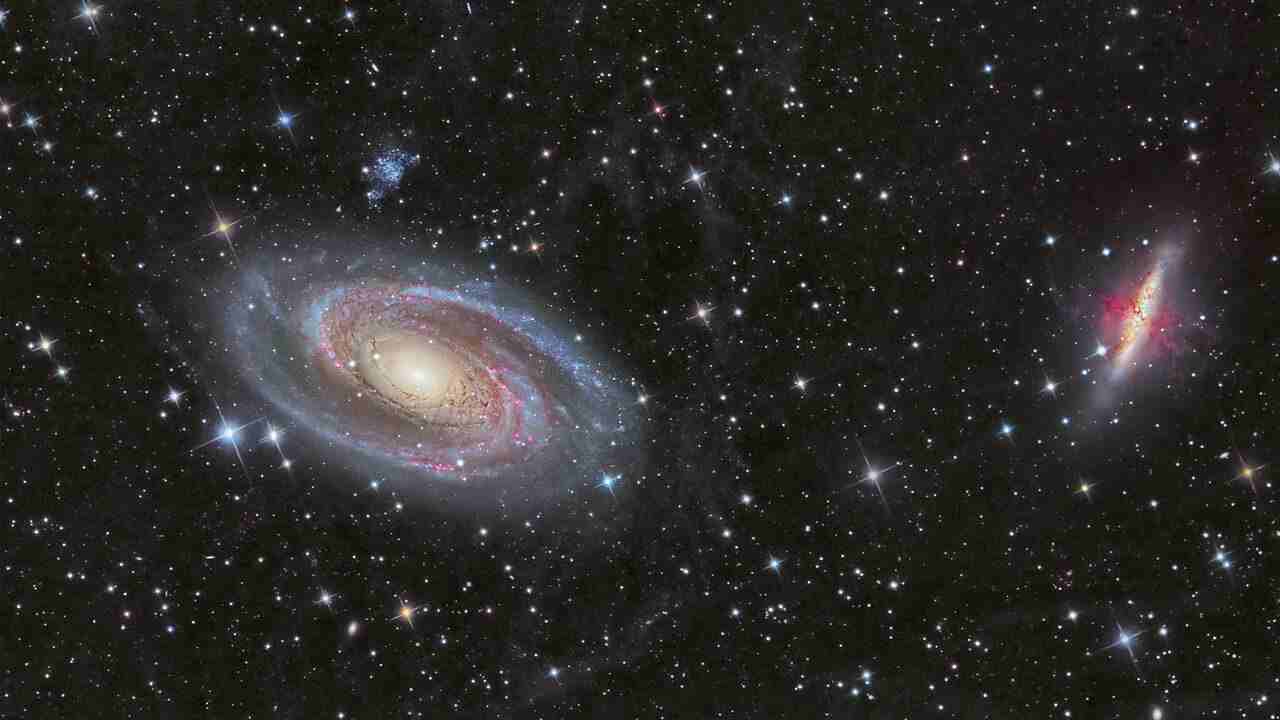
How the Big Bang Set the Stage for Galaxies and Life
The Big Bang did not just create the universe; it set the stage for a dynamic cosmic evolution that ultimately led to galaxies, stars, planets, and life itself. Through the interplay of fundamental physics, nuclear processes, and gravity, the universe evolved from a hot, uniform plasma into the richly structured cosmos we inhabit today. Understanding this progression offers deep insights into our origins and the vastness of cosmic history.
Theories Competing with the Big Bang: What Are the Alternatives?
The Big Bang theory is currently the most comprehensive explanation for the universe’s origin and evolution, supported by strong empirical evidence. Nonetheless, several alternative theories exist that challenge or complement it, each with strengths and limitations. Ongoing research, improved observations, and theoretical developments will continue to test these models, contributing to a richer understanding of the cosmos.
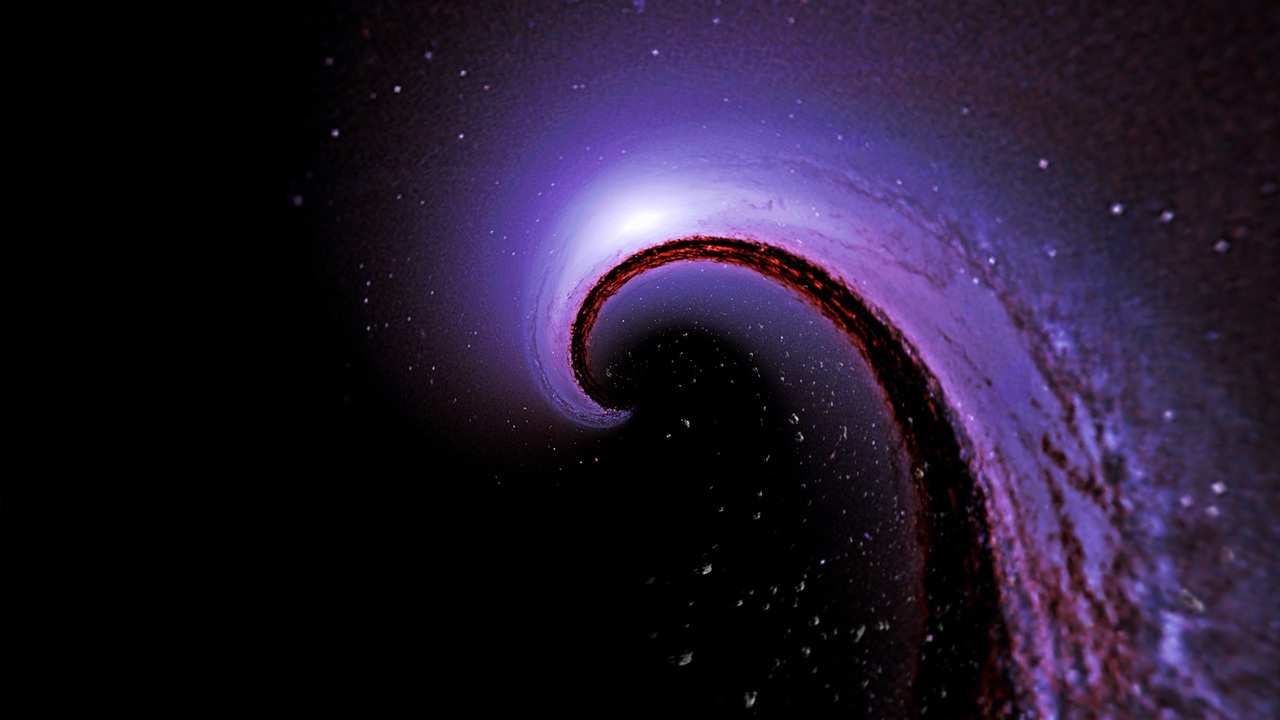
Dark Energy and the Accelerating Expansion of the Universe
Dark energy reshaped our understanding of the cosmos by revealing that the universe’s expansion is accelerating, not slowing. Although it constitutes the majority of the universe’s energy budget, it eludes direct detection and comprehension.
Studying dark energy not only challenges fundamental physics but also shapes our view of the ultimate fate of the universe. Continued observations and theoretical work strive to unravel this cosmic enigma.
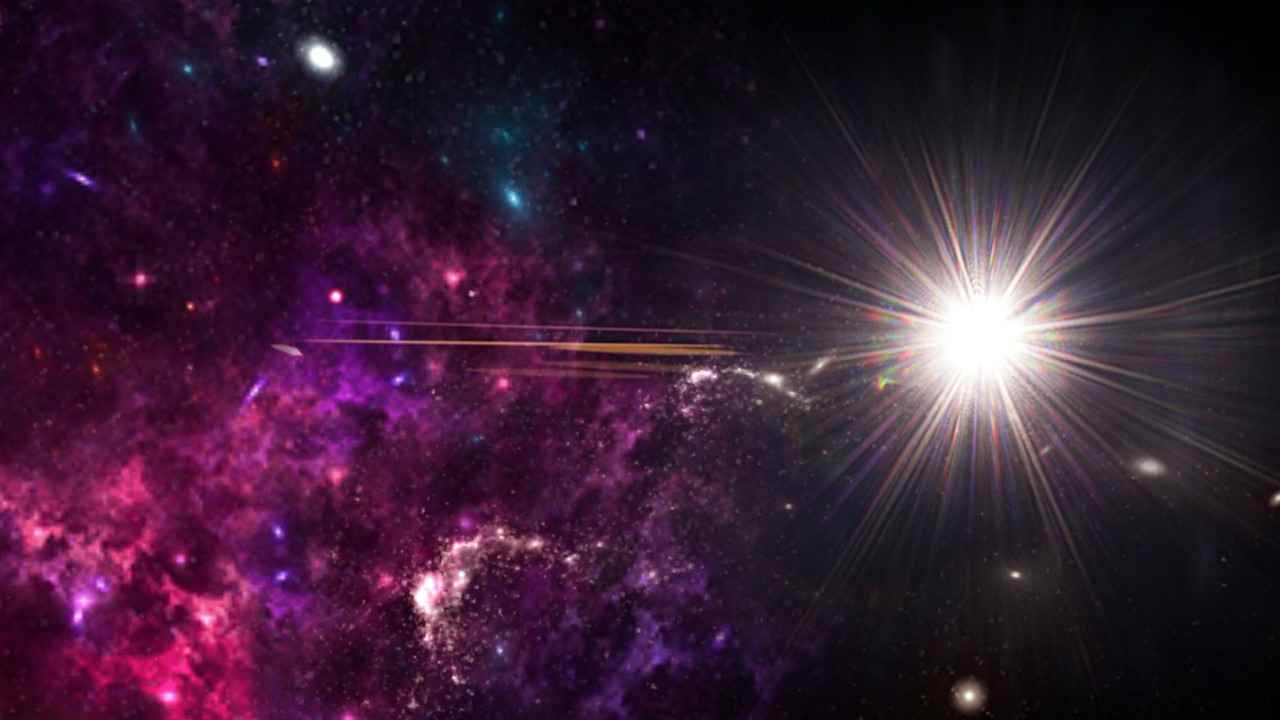
From Singularity to Stars: The First Moments After the Big Bang
From the enigmatic singularity to the glittering stars that light the night sky, the first moments after the Big Bang set the stage for everything in existence. Through cosmic inflation, particle formation, recombination, and the birth of stars, the universe transformed from a hot, dense plasma to a rich tapestry of celestial structures.
This unfolding story continues to captivate scientists and humanity alike, as we seek to understand where we come from and how the cosmos evolved.
Cosmic Microwave Background: The Echo of the Big Bang
The Cosmic Microwave Background is the oldest light in the universe, a fossil relic carrying the story of our cosmic origins. Its discovery was a cornerstone in confirming the Big Bang theory and remains a fundamental tool in understanding the universe’s composition, age, and evolution.
Studying the CMB continues to push the boundaries of cosmology, revealing insights into the infancy of the cosmos and guiding us toward answers about its ultimate fate.
The Expanding Universe: What It Means for the Future
The expanding universe is a fundamental aspect of modern cosmology. Its discovery changed our view from a static cosmos to a dynamic and evolving one.
The future of the universe hinges on the interplay between expansion, dark energy, and gravity. Whether the cosmos ends in a cold, quiet emptiness, a violent rip, or some other fate remains a profound question driving much of contemporary astrophysics.
Understanding this expansion not only reveals where we come from but also offers glimpses into the distant future of all existence.
The Big Bang Explained: How Our Universe Began
The Big Bang theory provides a coherent and evidence-based explanation for how the universe began and evolved. From a hot, dense singularity to the vast cosmos filled with galaxies, stars, and planets, the universe’s history is written in the light and matter we observe today.
Understanding the Big Bang not only answers fundamental questions about our origins but also opens new doors to explore the universe's fate and the laws governing all existence.