Galaxies & Cosmic Structures
Explore 15 fascinating articles about galaxies & cosmic structures
Explore the large-scale architecture of the universe. Discover how galaxies form, evolve, and interact across cosmic time scales.
All Articles (15)
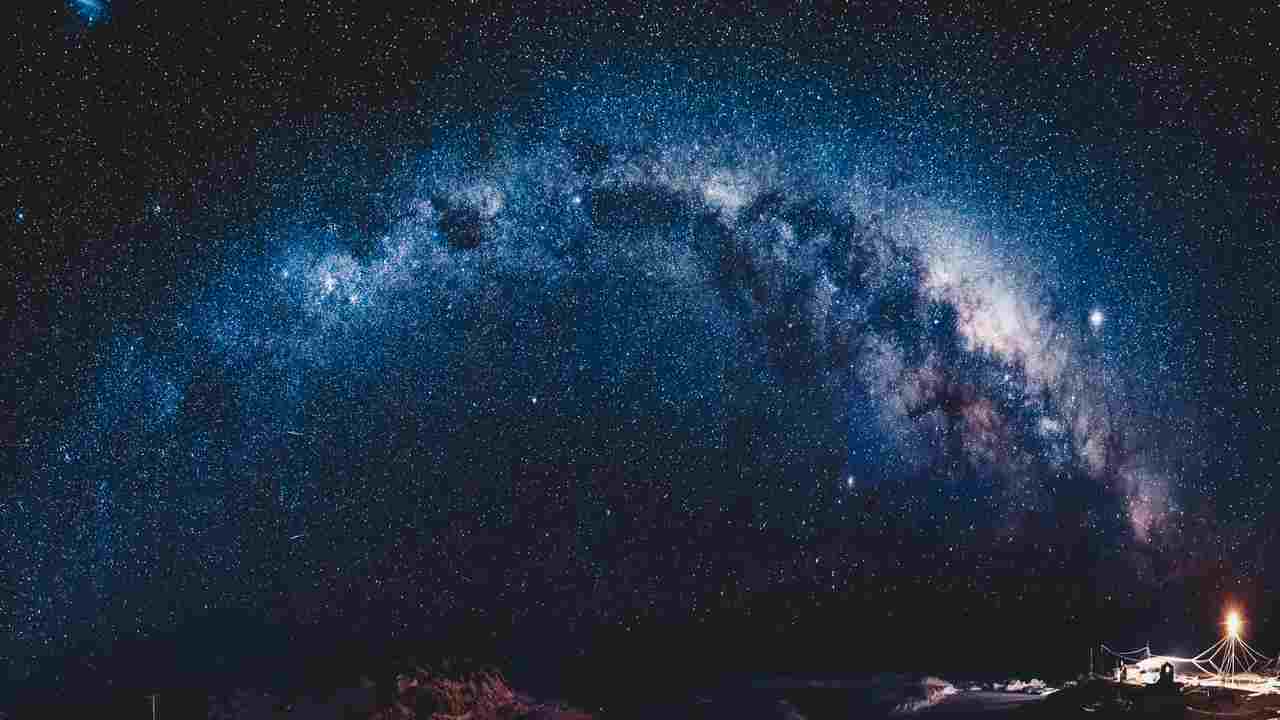
The Local Group: Our Galaxy’s Immediate Cosmic Neighborhood
When we look up at the night sky, the Milky Way seems immense—an island of hundreds of billions of stars. But on a cosmic scale, our galaxy is far from alone. It belongs to a small cluster of galaxies known as the Local Group, a gravitationally bound community that stretches millions of light‑years across.
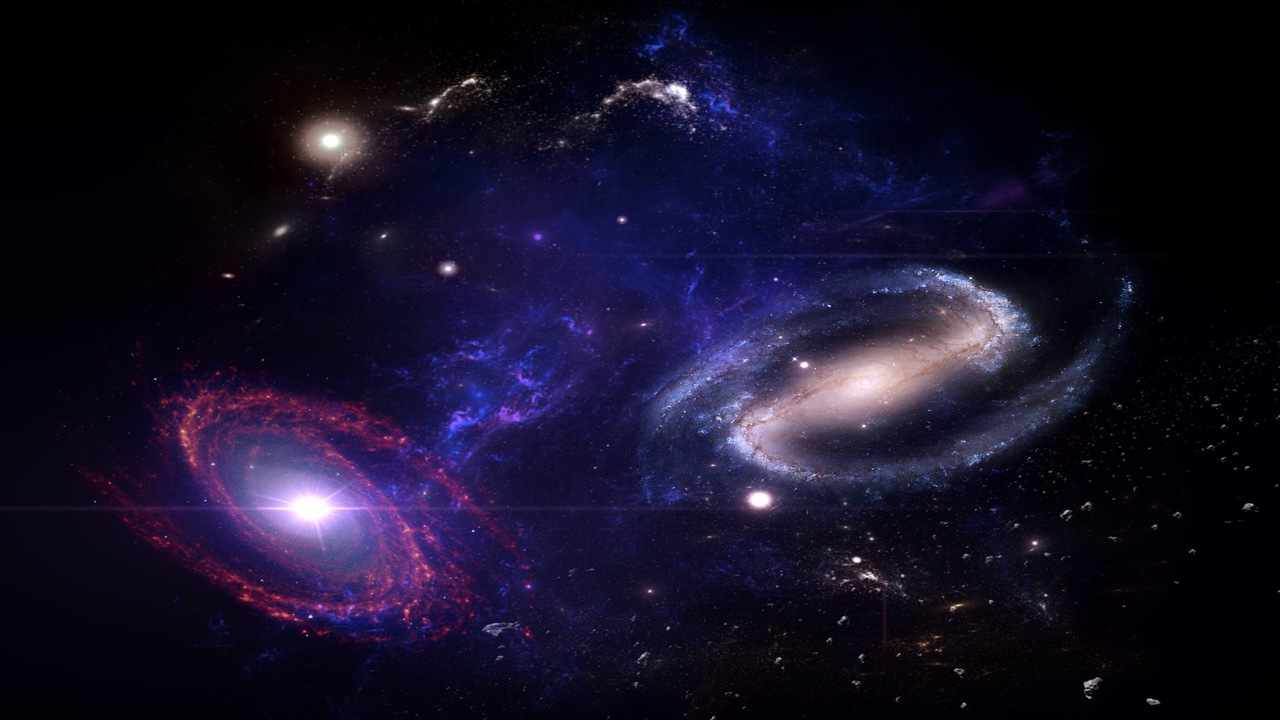
How Galaxy Collisions Give Birth to New Stars
When two galaxies collide, the first image that comes to mind might be one of cosmic destruction—stars smashing into each other, planets shattering, and entire systems being torn apart. The truth is far more surprising: galaxy collisions are one of the universe’s most creative processes. Instead of destroying stars, collisions often trigger the birth of new ones.
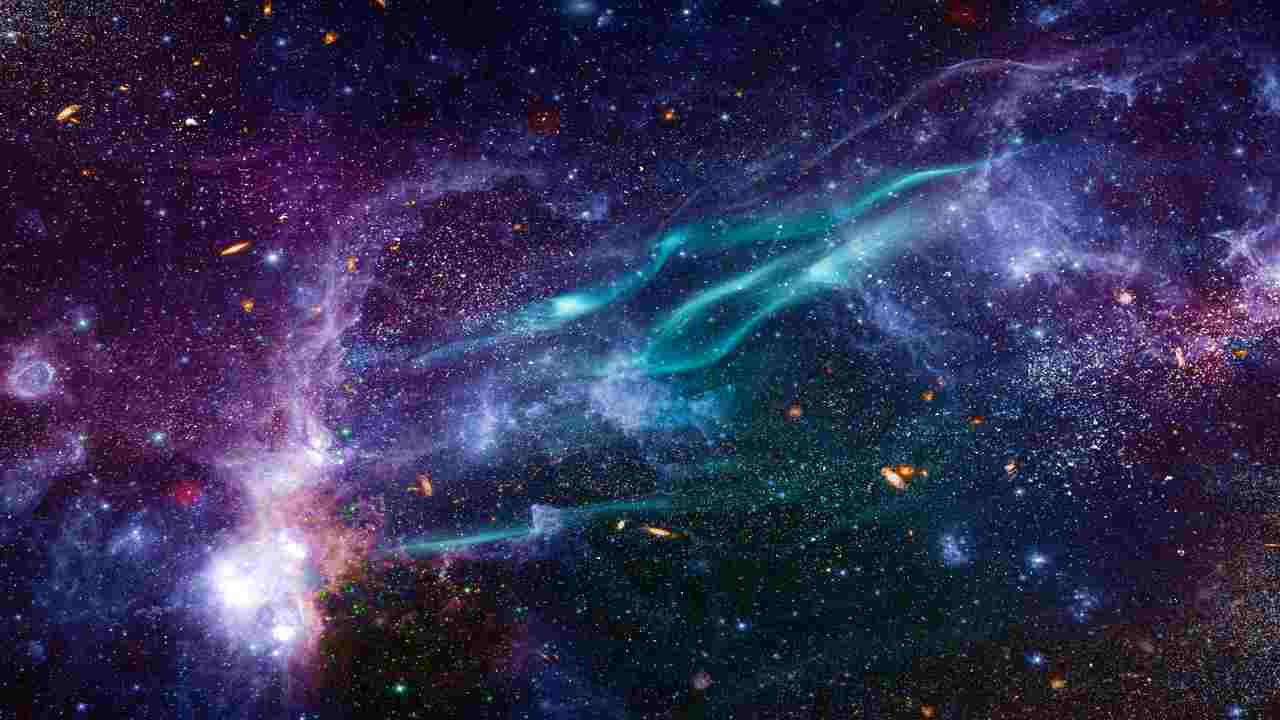
Cosmic Web: The Hidden Skeleton of the Universe
On the largest scales, the universe does not look random.It is the universe’s hidden skeleton: a vast network shaped by gravity, dark matter, and the expansion of space itself. Understanding this structure is essential for understanding how galaxies form, evolve, and connect across billions of light‑years.
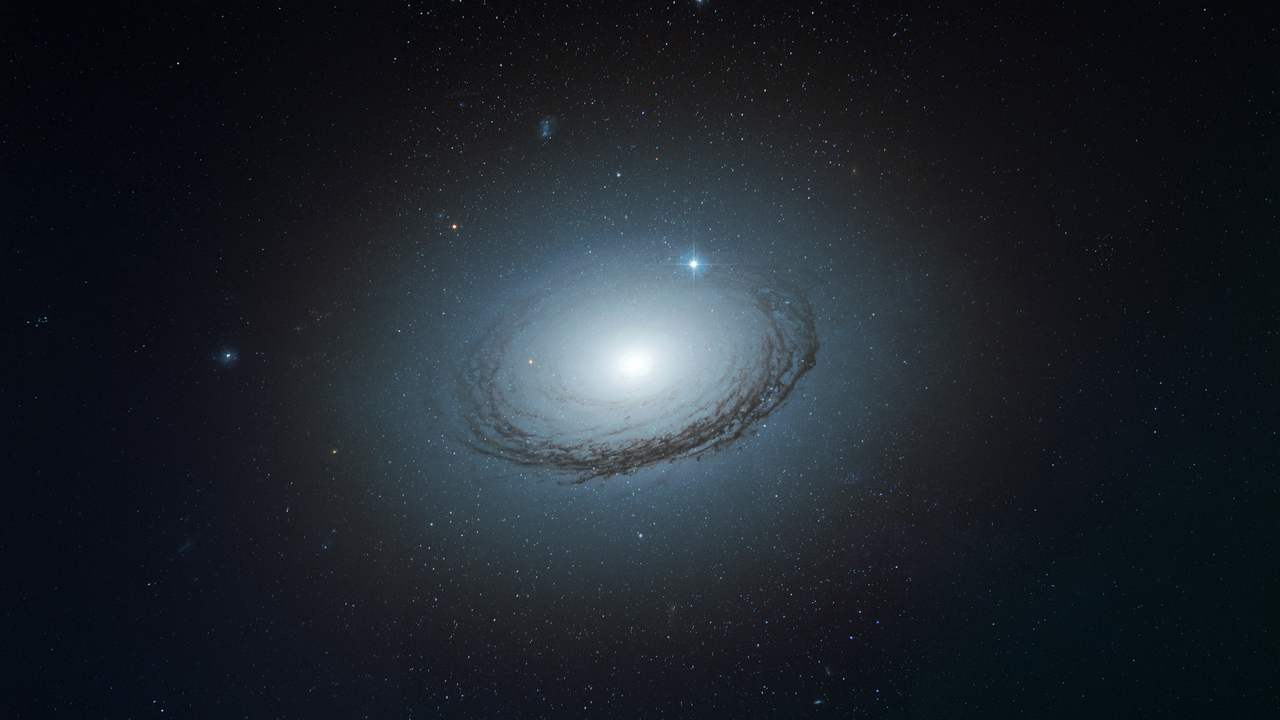
Elliptical vs. Irregular Galaxies: What Makes Them Different?
Not all galaxies follow the graceful swirl of a spiral. Some galaxies look like smooth, football‑shaped collections of stars. Others resemble chaotic clouds with no clear form at all. These two major types—elliptical and irregular galaxies—help astronomers understand how galaxies change over time and how different cosmic environments shape their evolution.
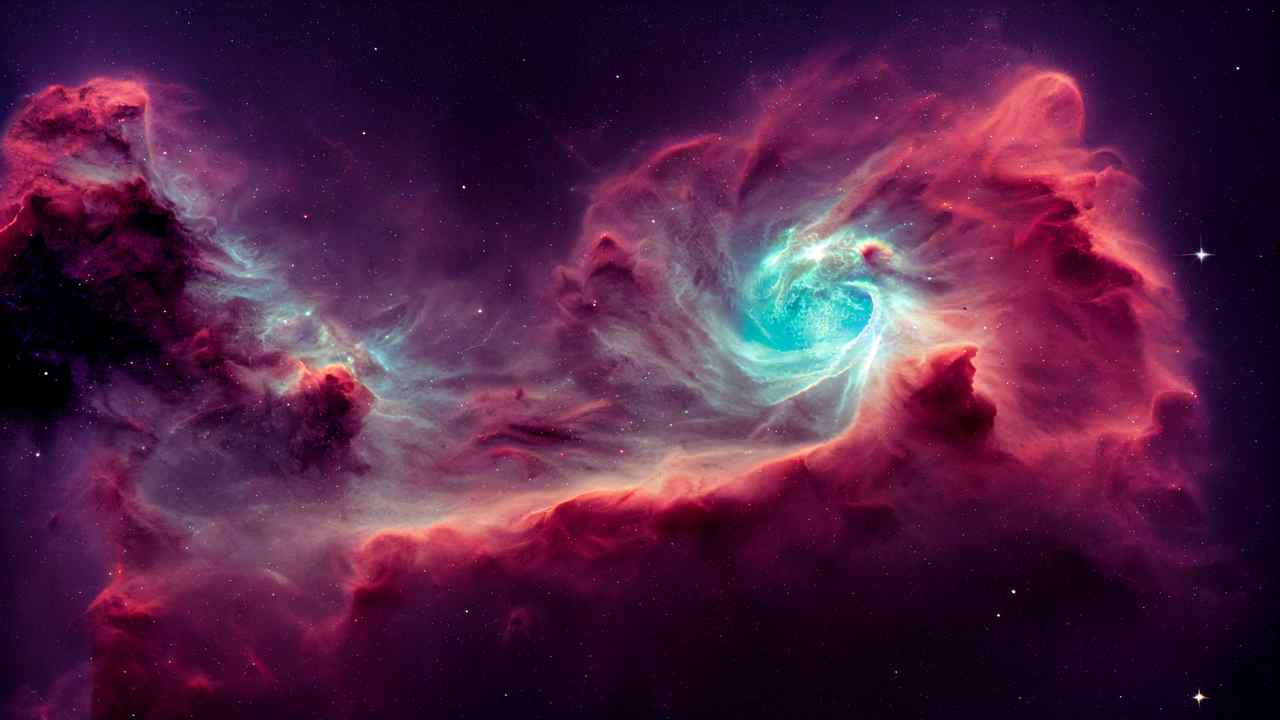
Why Spiral Galaxies Have Their Iconic Swirl Shape
Spiral galaxies are some of the most recognizable structures in the universe. Their sweeping arms, bright centers, and graceful curves make them look almost artistic—yet their shape is not just visually striking. It reflects deep physical processes that govern how stars, gas, and dark matter move on galactic scales.
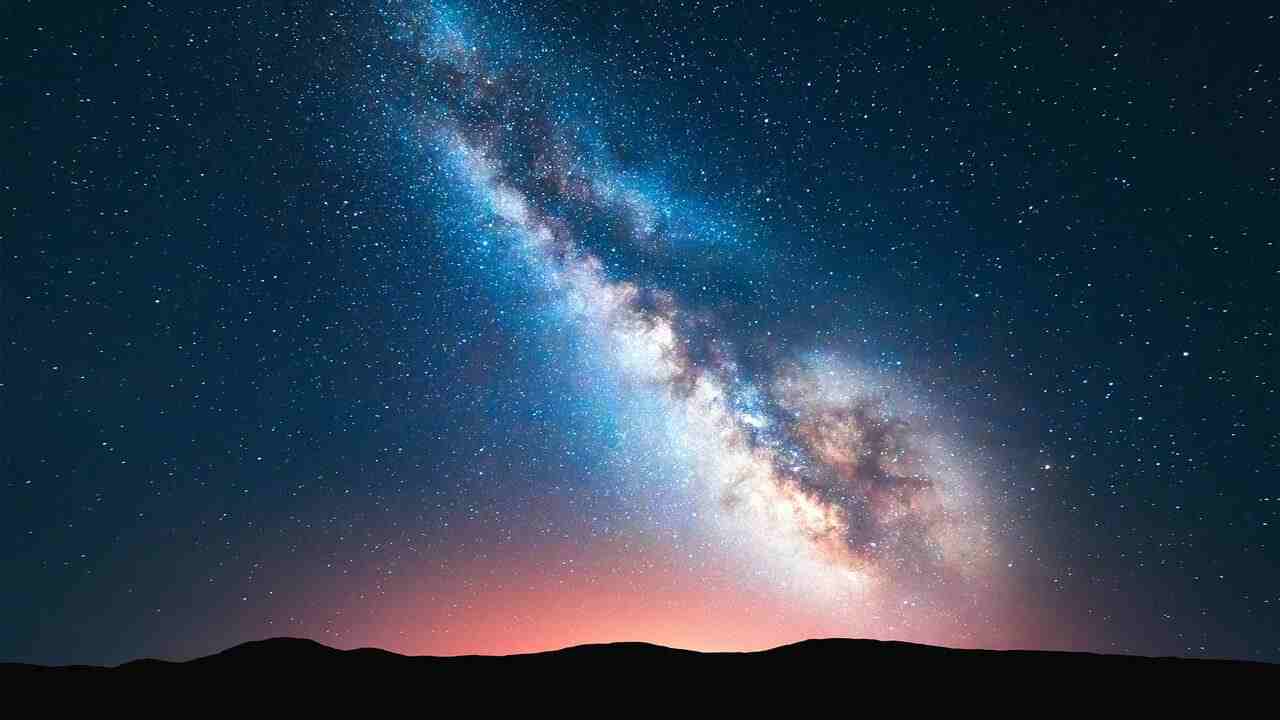
The Future of Our Galaxy: Predictions for the Milky Way’s Destiny
These predictions arise from decades of astronomical observations, simulations, and cosmological theories, giving us a glimpse into the fate of our galactic home.
Understanding our galaxy’s destiny deepens our appreciation for the dynamic cosmos and humanity’s place within it.

Dwarf Galaxies: Small But Mighty in the Cosmic Landscape
Dwarf galaxies, though small in size and often overlooked compared to massive galaxies, are fundamental to understanding the cosmic landscape. They provide windows into galaxy formation, dark matter physics, and the evolution of the universe. As observational technologies improve, dwarf galaxies will continue to reveal new secrets about the universe’s structure and history.
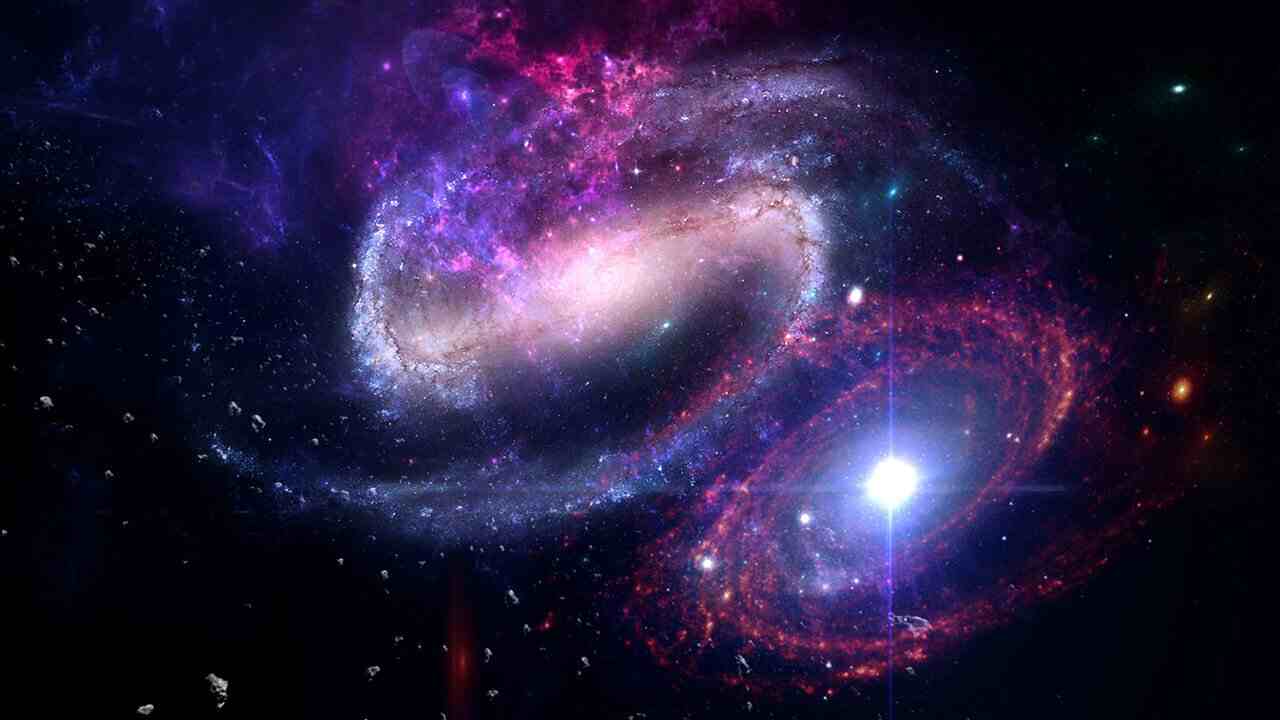
Mapping the Universe: Techniques to Observe Cosmic Structures
Mapping the universe’s cosmic structures requires a multi-wavelength approach and sophisticated techniques. From optical imaging and spectroscopy to radio, X-ray observations, and gravitational lensing, each method contributes unique insights into the composition and evolution of the cosmos. As observational technology advances, scientists are better equipped to unravel the universe’s vast architecture, providing clues about fundamental physics and the ultimate fate of all cosmic matter.
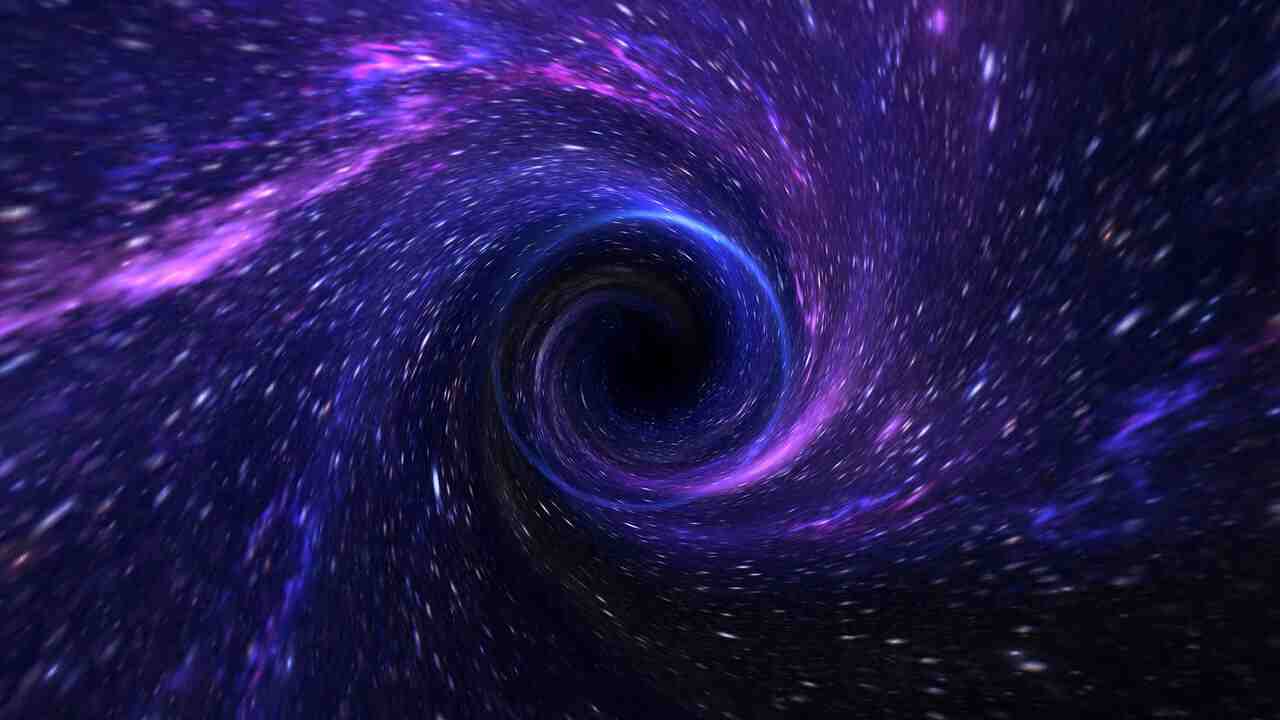
The Mystery of Dark Energy and Its Impact on Cosmic Expansion
Dark energy remains one of the greatest mysteries in science. Its discovery revolutionized cosmology by revealing that the universe’s expansion is accelerating. Ongoing observations and theoretical work strive to uncover its true nature, which will not only deepen our understanding of the cosmos but may also unveil new physics beyond the current paradigm.
Exploring Star Formation Within Different Galactic Environments
Star formation varies widely across galactic environments due to differences in gas availability, physical conditions, and dynamic processes. Galactic centers and spiral arms typically exhibit the highest star formation activity, while disks show more moderate rates, and halos rarely host new stars. Interactions between galaxies can dramatically enhance star formation through gas compression and redistribution.
Understanding these differences helps astronomers piece together how galaxies grow, evolve, and shape the universe over cosmic time.
How Do Galaxies Evolve Over Billions of Years?
Understanding how galaxies evolve over billions of years involves piecing together complex interactions of gravity, gas dynamics, star formation, and feedback. This ongoing research continues to reveal how the universe’s grandest structures came to be.
Galaxy Clusters: The Largest Gravitationally Bound Structures
Galaxy clusters, as the universe’s largest gravitationally bound structures, are critical to understanding cosmic evolution, dark matter, and dark energy. Their study continues to illuminate the complex processes shaping the cosmos.
The Role of Dark Matter in Cosmic Structure Formation
Dark matter remains a cornerstone of modern cosmology, shaping the universe from its earliest moments to the vast structures we observe today. Understanding it is essential for unlocking the full story of cosmic evolution.
How Supermassive Black Holes Shape Galactic Centers
Supermassive black holes are more than cosmic curiosities; they are dynamic engines shaping the hearts of galaxies. By studying their properties and interactions, astronomers gain vital understanding of galaxy formation, evolution, and the universe’s grand architecture.
The Formation of Galaxies: From Big Bang to Today
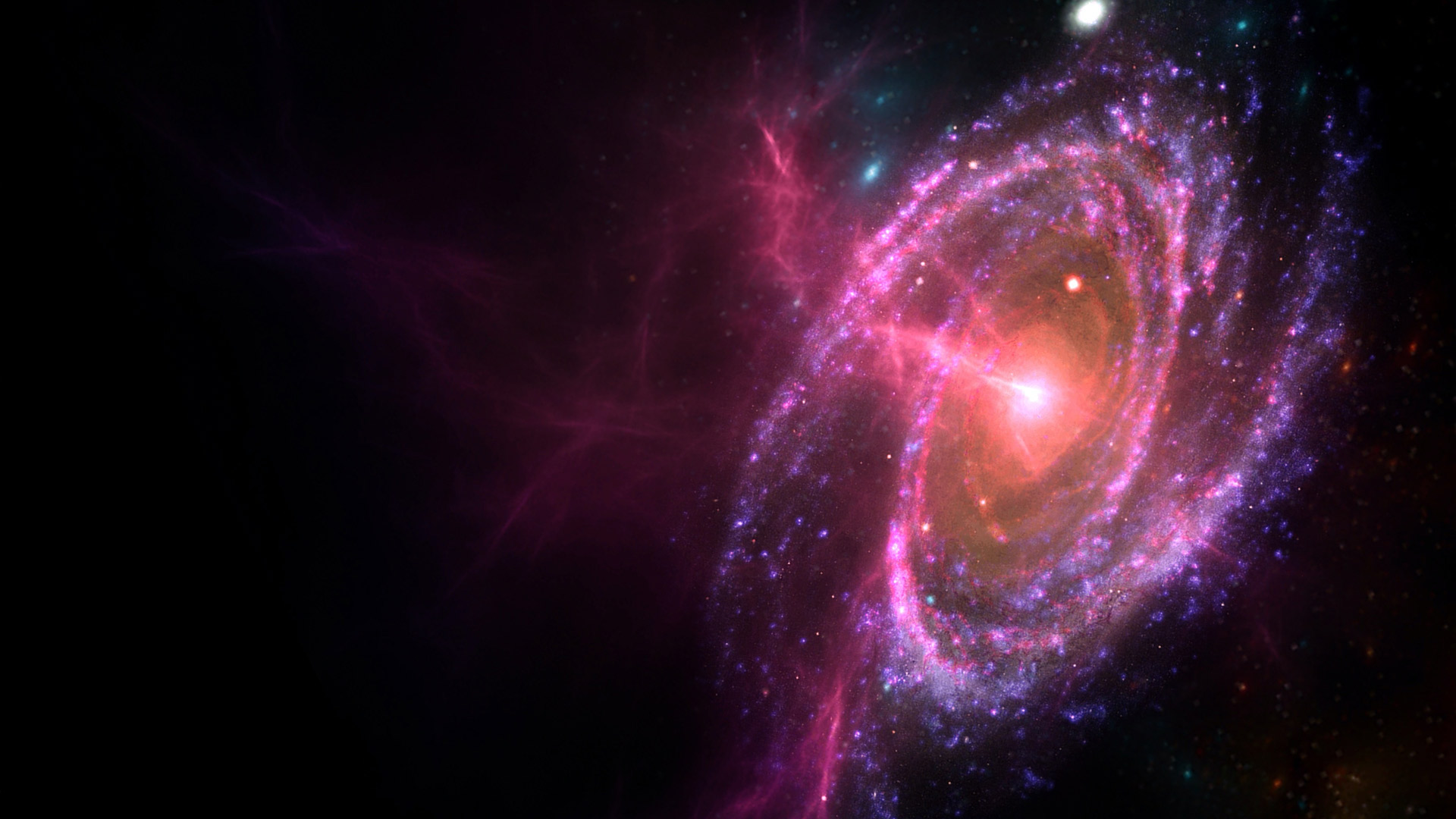
Galaxies are the fundamental building blocks of the universe, containing billions of stars, gas, dust, and dark matter. Understanding how galaxies formed and evolved from the earliest moments after the Big Bang to the present day is a central question in modern astrophysics. This article explores the key processes and scientific discoveries behind galaxy formation, explaining the timeline from the initial cosmic conditions to the diverse galactic structures we observe today.