Elliptical vs. Irregular Galaxies: What Makes Them Different?
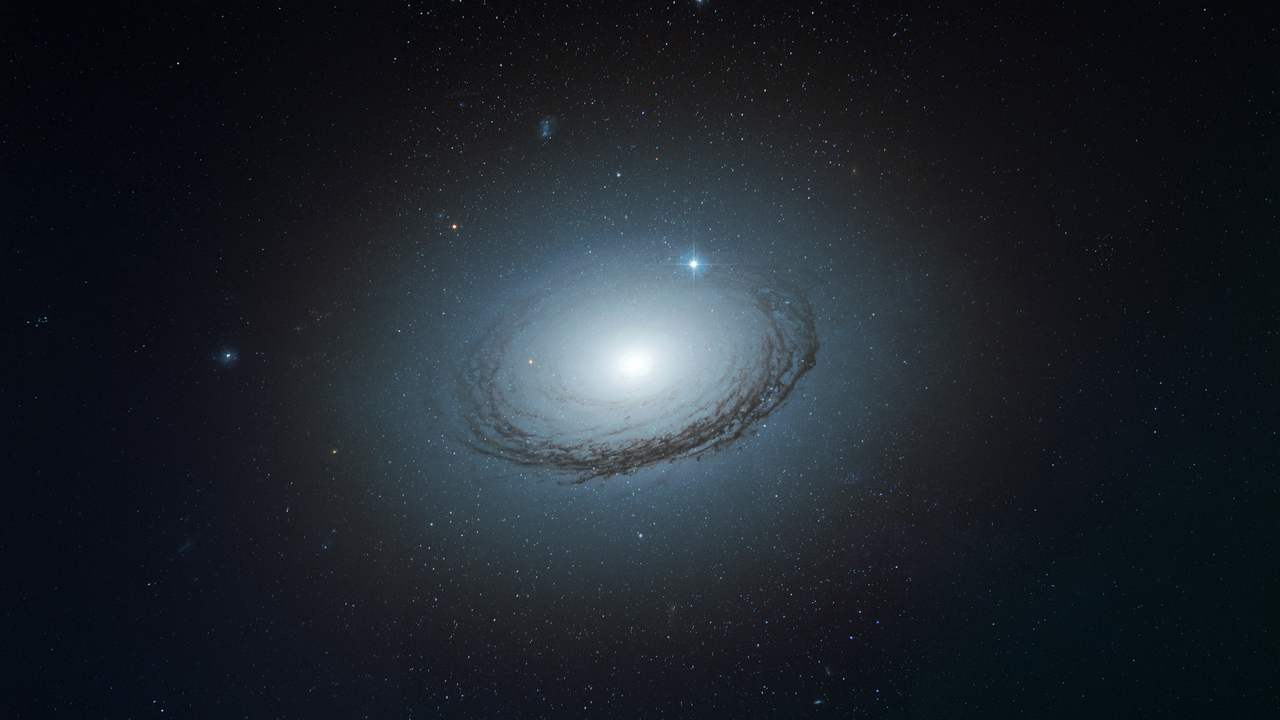
Not all galaxies follow the graceful swirl of a spiral. Some galaxies look like smooth, football‑shaped collections of stars. Others resemble chaotic clouds with no clear form at all. These two major types—elliptical and irregular galaxies—help astronomers understand how galaxies change over time and how different cosmic environments shape their evolution.
Despite sharing the same universe, elliptical and irregular galaxies form in entirely different ways and play very different roles in cosmic structure.
Elliptical Galaxies: Smooth, Massive, and Ancient
Elliptical galaxies are some of the largest and most massive galaxies known. They appear as bright, featureless ellipses—ranging from nearly spherical to highly stretched shapes.
Appearance
- Smooth, uniform brightness
- No spiral arms
- Rounded or elongated shape
- Little or no dust lanesTheir simplicity hides a complex history.
What Makes Ellipticals So Massive?
Elliptical galaxies often sit at the centers of galaxy clusters. These environments encourage frequent collisions and mergers.
Their mass comes from:
- Multiple galaxies merging over billions of years
- Gravitational interactions pulling stars inward
- Absorbing smaller galaxies (galactic cannibalism)As a result, elliptical galaxies can become giants—sometimes containing trillions of stars.
Star Populations Inside Ellipticals
Elliptical galaxies are dominated by old, red stars.
Why?
Because:
- Gas for star formation was used up long ago
- Collisions heated and dispersed remaining gas
- Hot gas cannot cool easily to form new starsThis creates galaxies that shine with a reddish, aged glow, often called “red and dead” galaxies.
How Ellipticals Form
Several pathways can produce elliptical galaxies:
1. Major mergers
Two spiral galaxies collide and combine into a single, smooth system.
2. Repeated minor mergers
A large galaxy absorbs many smaller ones.
3. Early rapid star formation
Some ellipticals formed quickly in the early universe and exhausted their gas.
4. Cluster environments
Crowded regions accelerate interactions, pushing galaxies toward elliptical shapes.Their uniform appearance largely results from violent mixing of stars during collisions.
The Role of Dark Matter in Ellipticals
Elliptical galaxies often have massive dark matter halos.These halos:
- Hold hot gas in place
- Influence galaxy shape
- Define orbital speeds inside the galaxyDark matter helps explain the gravitational behavior of stars far from the center.
Irregular Galaxies: Chaotic, Patchy, and Full of Surprises
Irregular galaxies break all the rules. They have no predictable structure—no arms, no symmetry, no central bulge.
Appearance
- Uneven shapes
- Patchy star clusters
- Bright knots of new stars
- Dust clouds scattered randomlyThey are visually disordered but scientifically important.
Why Irregular Galaxies Look So Messy
Irregular galaxies are often small and easily disturbed.
They can be distorted by:
- Nearby galaxy interactions
- Collisions
- Strong tidal forces
- Internal star-forming explosionsBecause they have weak gravitational structure, even slight disturbances can reshape them dramatically.
Types of Irregular Galaxies
Astronomers classify them into two broad groups:
Irr I
- Some recognizable features
- Patchy star formation
- More common type
Irr II
- Extremely chaotic
- No visible patterns
- Often heavily distorted by interactionsBoth types are rich in gas and dust.
Star Formation in Irregular Galaxies
Unlike ellipticals, irregular galaxies are stellar nurseries.Their gas content is high, and star formation occurs rapidly and unpredictably.
Features include:
- Bright blue young stars
- Massive star clusters
- Supernova explosions
- Ionized gas regionsSome irregular galaxies form stars at astonishing rates, becoming starburst galaxies.
How Irregular Galaxies Form
Irregulars typically arise from:
1. Tidal interactions
A larger galaxy distorts a smaller one through gravity.
2. Past collisions
The aftermath of a merger that never fully settled.
3. Environmental stripping
Gas removed or rearranged by intergalactic medium.
4. Isolation
Lack of nearby galaxies prevents ordered structure from forming.Many dwarf galaxies in the Local Group are irregular, shaped by interactions with the Milky Way or Andromeda.
The Importance of Irregular Galaxies in Cosmic Evolution
Irregular galaxies may look messy, but they are essential to understanding cosmic history.They offer clues about:
- Early galaxy formation
- How small galaxies feed larger ones
- How starburst phases affect galaxy growth
- How mergers influence structureThey also represent the building blocks that larger galaxies absorbed over billions of years.
Key Differences at a Glance
| Feature | Elliptical Galaxies | Irregular Galaxies |
|---|---|---|
| Shape | Smooth, oval | Chaotic, undefined |
| Star Type | Old, red stars | Young, blue stars |
| Gas Content | Very low | High |
| Star Formation | Minimal | Active and patchy |
| Origin | Mergers and collisions | Distortions & small-scale interactions |
| Common Location | Galaxy clusters | Various environments |
This contrast highlights how environment and history shape a galaxy’s fate.
A Universe of Diversity
Elliptical and irregular galaxies could not be more different. One is shaped by massive collisions and long-term stability; the other by randomness and ongoing star formation. Together, they illustrate the full range of possible galactic behaviors and the many paths a galaxy can follow as it evolves across billions of years.
More from Galaxies & Cosmic Structures
The Local Group: Our Galaxy’s Immediate Cosmic Neighborhood
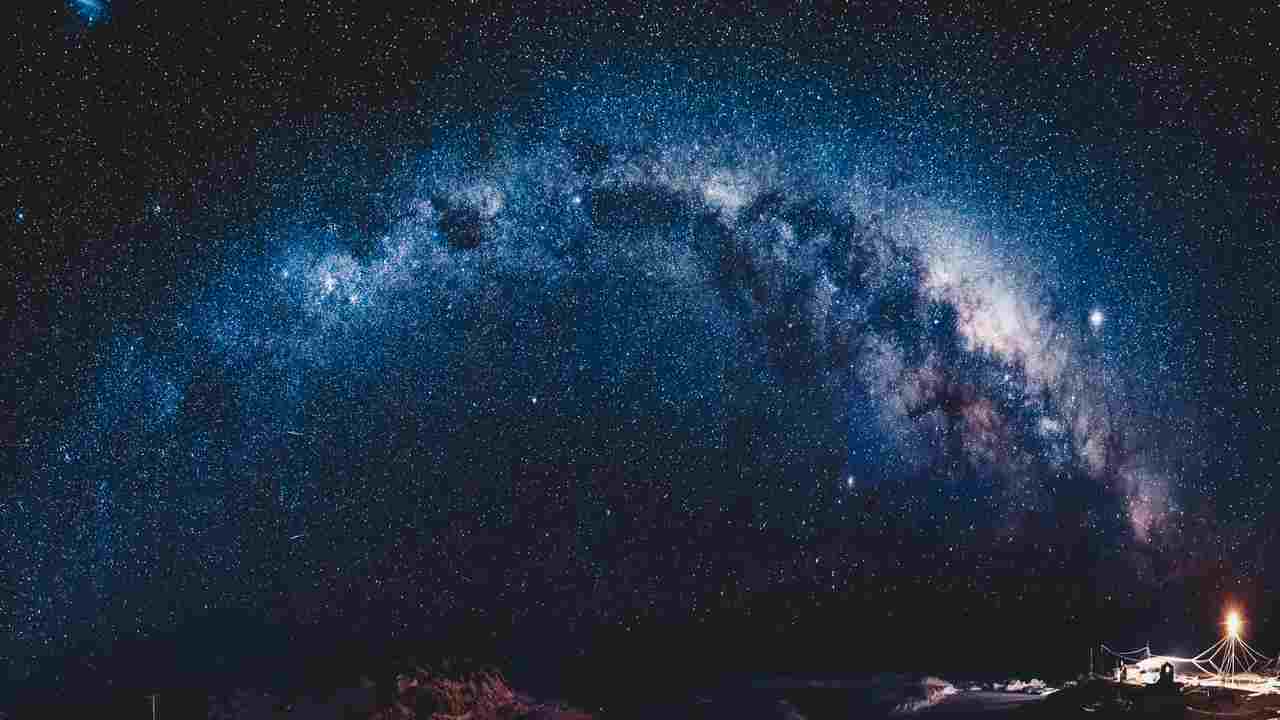
When we look up at the night sky, the Milky Way seems immense—an island of hundreds of billions of stars. But on a cosmic scale, our galaxy is far from alone. It belongs to a small cluster of galaxies known as the Local Group, a gravitationally bound community that stretches millions of light‑years across.
How Galaxy Collisions Give Birth to New Stars
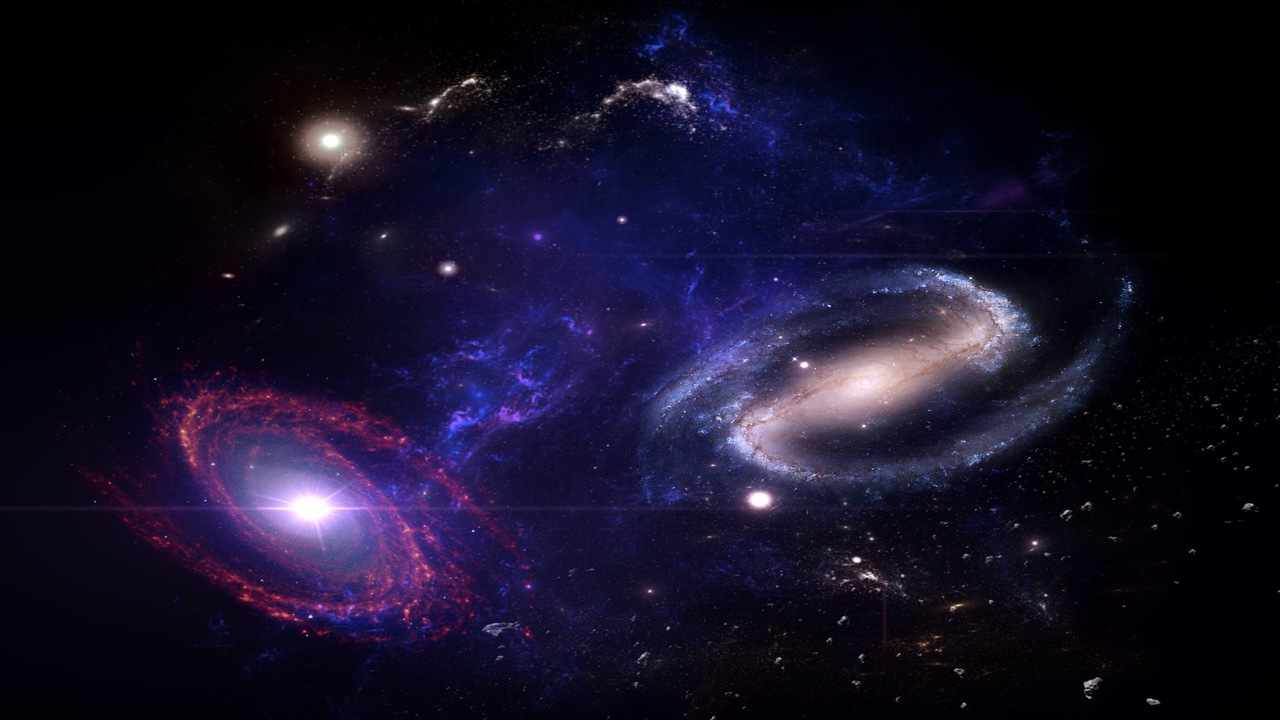
When two galaxies collide, the first image that comes to mind might be one of cosmic destruction—stars smashing into each other, planets shattering, and entire systems being torn apart. The truth is far more surprising: galaxy collisions are one of the universe’s most creative processes. Instead of destroying stars, collisions often trigger the birth of new ones.
Cosmic Web: The Hidden Skeleton of the Universe
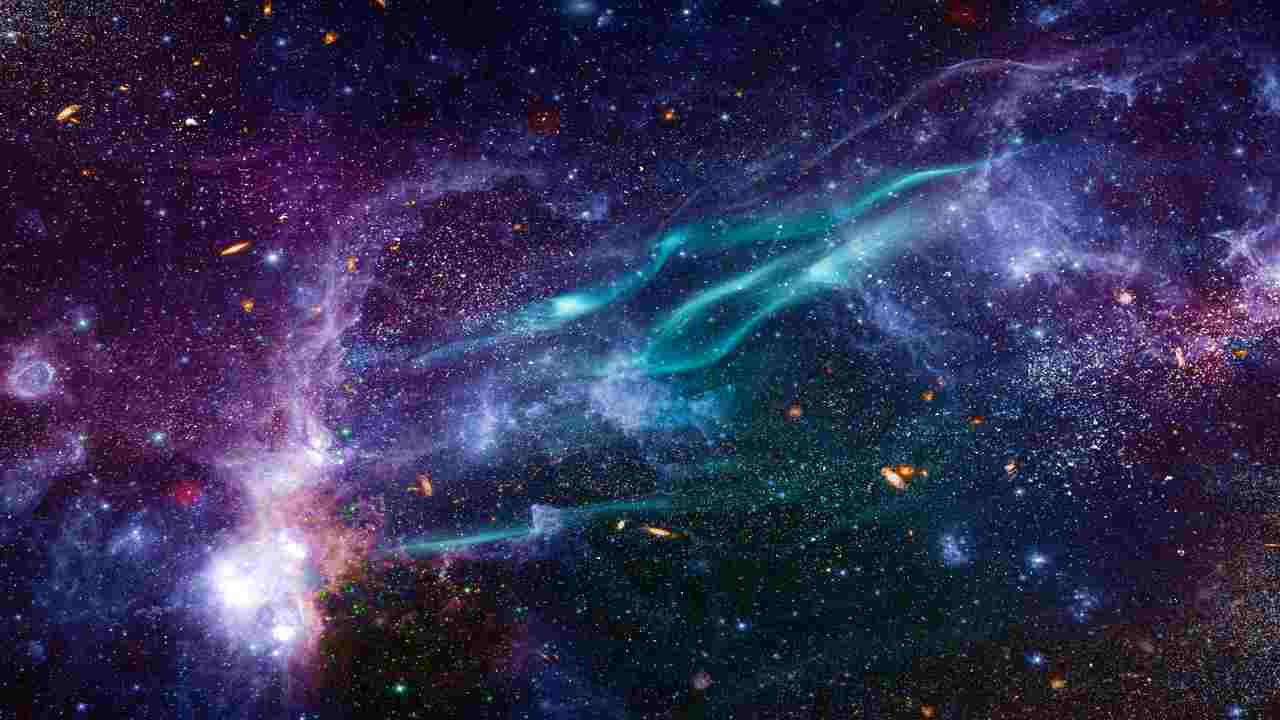
On the largest scales, the universe does not look random.It is the universe’s hidden skeleton: a vast network shaped by gravity, dark matter, and the expansion of space itself. Understanding this structure is essential for understanding how galaxies form, evolve, and connect across billions of light‑years.
Explore More Topics
Gamma-Ray Bursts: The Universe’s Most Violent Explosions
Gamma-ray bursts (GRBs) are brief, powerful flashes of high-energy radiation that outshine entire galaxies for a few seconds. They occur randomly across the sky, often billions of light-years away, yet the energy they release is so intense that Earth-based detectors can pick them up instantly. These events push astrophysics to its limits and provide a rare glimpse into the universe’s most extreme processes.
What Happens Inside a Black Hole? Exploring the Unknown Interior
Black holes are among the most mysterious objects in the universe. While scientists understand how black holes form and how they interact with their surroundings, what happens inside a black hole remains one of the greatest unsolved mysteries in physics. Crossing the event horizon—the point of no return—takes you into a realm where spacetime is warped beyond recognition and where our current theories break down.
The Darkest Objects in the Universe: How We Detect Invisible Black Holes
Black holes are famous for being invisible. They emit no light, no radiation, and no signals that can be directly detected with traditional telescopes. Yet scientists have discovered dozens of them and mapped their behavior across the cosmos. How is this possible?